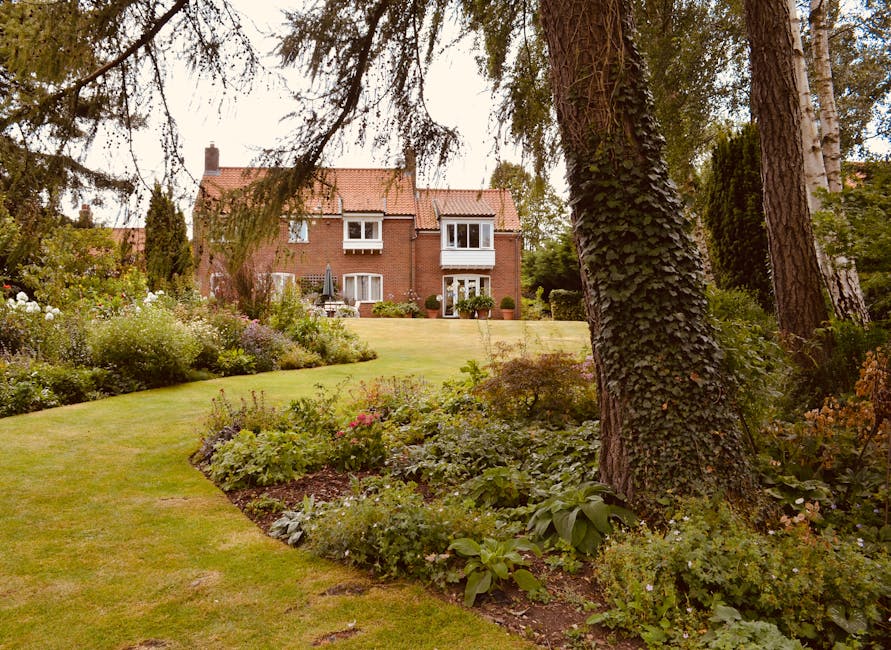
Cranham Road garden experts for large rear gardens
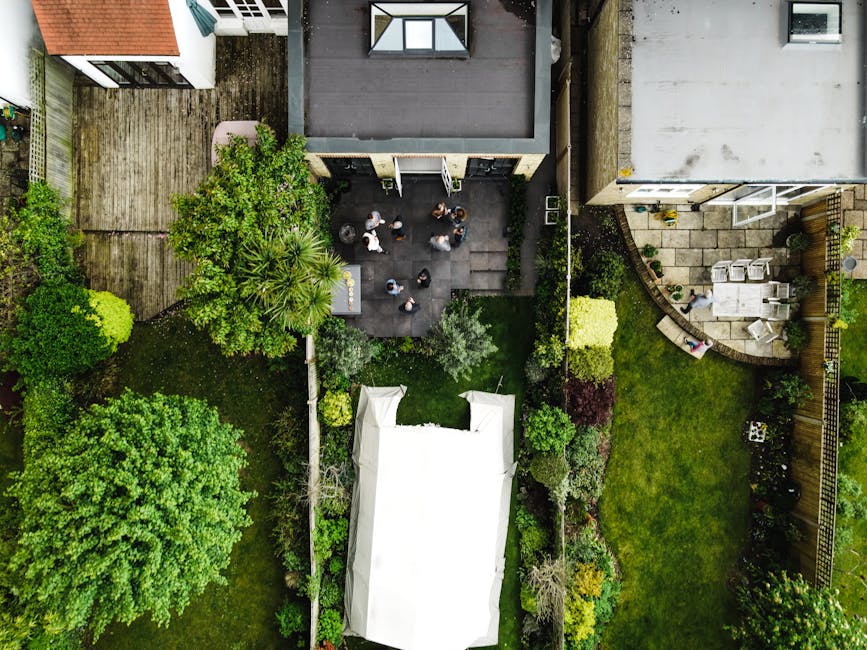
If you have a big rear garden on Cranham Road, you already know it can be a blessing and a bit of a job. The extra space gives you room for lawns, borders, patios, trees, and proper family use, but it also means more mowing, more edging, more pruning, and more planning than a small plot ever would. That is where Cranham Road garden experts for large rear gardens really earn their keep. They help turn an oversized, unruly outdoor space into something that is manageable, attractive, and actually useful day to day.
In this guide, you will find a practical, local-minded breakdown of what large-garden specialists do, how the process works, what to look for, and how to avoid the usual mistakes that make a good garden feel harder than it should. We will also look at the services that tend to matter most for larger plots, from lawn care to hedge trimming, landscaping, and clearance, plus the small details that often separate a tidy garden from a genuinely well-run one.
Expert summary: Large rear gardens need more than occasional tidying. They need a plan, a maintenance rhythm, and the right mix of labour, tools, and judgment. Get those right and the garden starts working with you, not against you.
Why Cranham Road garden experts for large rear gardens Matters
Large rear gardens are different from standard suburban plots in one very simple way: they hide problems for longer. A patchy lawn does not look bad for a week, then all at once it does. A hedge can be slightly overgrown and still seem fine from the kitchen window, until you walk the full length of the boundary and realise it has swallowed half the light. The same goes for borders, fallen branches, drainage issues, and neglected corners. On a large garden, small issues spread out and quietly become bigger jobs.
That is why specialist garden help matters. A team with experience in larger spaces knows how to prioritise. They do not just "do a bit of everything"; they decide what should be tackled first, what can wait, and what will make the biggest difference quickly. That sounds obvious. It often is not. Plenty of people on big plots spend ages trimming, moving, and redoing the same areas because there was no proper order to the work.
There is also a local reality to think about. Cranham Road properties often need outdoor spaces that look cared for from the house but are still practical to live in. Families want play space, storage access, safer paths, and somewhere that does not turn into a weekend-consuming project. A well-managed garden should support the home, not become a second full-time job. Let's face it, nobody wants to spend every sunny Saturday wrestling a mower around the same long strip of lawn.
If you are comparing support options, it helps to start with a broader view of the work available through the services overview, then narrow down the jobs that matter most in a large rear garden. For many homes, that means steady garden maintenance, reliable lawn mowing, and occasionally more structural work such as landscaping or landscape gardening.
How Cranham Road garden experts for large rear gardens Works
The process usually starts with a walk-through, either in person or as part of an initial discussion, where the garden is assessed as a whole rather than by isolated jobs. That matters more than people think. A large rear garden often has a few connected issues: heavy shade in one corner, fast-growing hedges at the back, compacted soil near the patio, and a lawn that struggles because tree roots are competing for water. If you treat each symptom separately, you can miss the underlying cause.
A good garden expert will normally look at the layout, access, existing planting, mowing patterns, waste volumes, and any areas that are awkward to reach. If the garden has been neglected, the first visit may involve clearance before anything else. In that case, garden clearance can create the blank slate needed to see the space properly. Once the site is under control, the work usually shifts into maintenance and improvement.
For larger gardens, it is common to split the job into zones. A rear lawn might need edging and mowing on one cycle, while a boundary hedge gets trimmed less often, and borders are pruned seasonally. That approach keeps the garden looking deliberate instead of half-finished. It also makes budgeting easier because the work becomes predictable rather than a surprise every time the grass shoots up after rain.
In practical terms, the service can include:
- regular mowing and edging for larger lawns
- hedge and shrub management
- border tidying and redefinition
- tree pruning or removal where safety or light is affected
- clearance of accumulated waste and cuttings
- hard landscaping updates such as paths, terraces, or timber features
Some gardens need a stronger structural reset. If you have old paving, tired planting, or awkward slopes, the expert may recommend a broader redesign approach through landscape gardening or a more build-focused landscaping plan. If that sounds like overkill, it usually is not. On a large plot, small layout improvements can save hours every month. That is the sort of detail people appreciate once they live with it for a while.
Key Benefits and Practical Advantages
The biggest benefit is control. A large rear garden can quickly become visually busy, and when everything is growing at once, the space starts to feel restless. Expert help brings structure back. You can see the difference almost immediately after the first proper cut, prune, or clearance. The garden stops looking like a list of unfinished tasks and starts looking like one coherent space again.
Another practical advantage is time. A sizeable garden eats hours. Mowing alone can take more time than many people expect, and that is before you trim edges, collect clippings, move obstacles, check boundaries, and deal with awkward corners. With help, those hours come back to you. That might mean more time using the garden, or, to be fair, simply having a quieter Sunday.
There is also the issue of plant health. Overgrown hedges, overcrowded borders, and unmaintained lawns often look worse because they are less healthy. Regular care improves air flow, light, and access. It also helps gardeners spot issues early, such as fungal patches, dying branches, or soil compaction. Small interventions can prevent bigger repair work later.
Here is a quick practical breakdown:
| Area of the garden | What expert care changes | Why it matters |
|---|---|---|
| Lawn | Cleaner cuts, better edges, manageable growth | Improves appearance and reduces long-term damage |
| Hedges | Controlled shape and safer height | Protects light, privacy, and boundary definition |
| Borders | Less crowding and more seasonal structure | Makes planting healthier and easier to maintain |
| Trees | Safer canopy and better balance | Reduces risk and improves the feel of the space |
| Access routes | Clearer paths and cleaner surfaces | Makes the whole garden more usable |
There is one more benefit people sometimes forget: confidence. A large garden that looks difficult can make the whole home feel a bit unfinished. Once the outdoor space is under control, everything else feels calmer. Strange but true.
Who This Is For and When It Makes Sense
This type of support is a strong fit for homeowners who have a large rear garden but do not have the time, tools, or appetite to maintain it properly themselves. That includes busy families, older homeowners who want to keep the garden without overexertion, landlords preparing a property, and anyone whose garden has grown beyond simple weekend upkeep.
It also makes sense if the garden has changed over time. A plot might start as simple lawn and fence line, then evolve into a mix of trees, sheds, play areas, raised beds, and paving. Before long, the maintenance needs are no longer straightforward. What used to be a quick mow becomes a whole routine. If that feels familiar, you are not alone.
People often reach out when one of these signs appears:
- the lawn takes too long to mow and tidy properly
- hedges are too high or too wide for safe trimming
- the rear boundary is blocking light
- dead growth, debris, or old cuttings keep building up
- the garden feels difficult to use, not just difficult to look at
- you want a better layout but do not know where to begin
Sometimes the trigger is seasonal. Early spring can expose everything at once, while late summer makes growth feel relentless. On a damp morning in particular, a large rear garden can go from "fairly fine" to "right, we need to sort this properly" in about ten minutes. That is usually when people stop trying to patch it themselves and start looking for real help.
Step-by-Step Guidance
If you want to make a large rear garden manageable, the best approach is to start with a clear sequence. Otherwise the work expands and begins to eat itself.
- Assess the space honestly. Walk the full garden from the house to the back fence. Notice what feels overgrown, awkward, unsafe, or underused. Do not only look at the middle; corners are where the trouble tends to sit.
- Separate urgent jobs from cosmetic jobs. Safety issues, blocked access, and heavy overgrowth come first. Decorative work can wait a little. That order saves time and money.
- Clear the clutter and waste. If the garden has been neglected, start with cuttings, fallen material, old pots, and anything that makes movement difficult. A clean site is easier to judge.
- Deal with the lawn. Large lawns need a consistent mowing pattern and the right cutting height. Cutting too much at once can stress the grass. A steadier rhythm usually works better.
- Reclaim hedges and borders. Bring the shape back into line, then define the edges. A neat boundary makes even a very large garden feel controlled.
- Review trees and taller growth. If branches are reducing light or creating hazard, this is the time to deal with them professionally. In many gardens, trees are the hidden reason everything else feels dark and messy.
- Set a maintenance schedule. Once the garden is stable, decide how often the main jobs need doing. The right schedule is usually easier than the right "big clean-up".
If you are working with a team, ask them to explain the order of tasks before they start. A good contractor should be able to say why one area comes before another. That is often a sign they understand large gardens properly.
Expert Tips for Better Results
Start with the garden's natural rhythm. Some large plots dry quickly and need lighter, more frequent mowing. Others hold moisture and need a different pace. Matching the work to the garden saves a lot of correction later.
Keep the edges honest. Edges make a garden look finished. On a big rear plot, even a healthy lawn can look scruffy if the lines wander. Clean edges give structure, and structure is half the battle.
Think in zones, not one giant task. Split the garden into front-to-back or left-to-right areas. It keeps maintenance calmer and stops you from feeling overwhelmed. One corner at a time. That's the trick, really.
Watch the light. On Cranham Road, mature trees and tall hedges can quickly change how the whole rear garden feels. If one side has become noticeably darker, it may be a sign that pruning, hedge trimming, or selective clearance is due. Services like hedge trimming and tree lopping and removal can make a bigger difference than people expect, especially in long gardens.
Use the garden before redesigning it. A lot of people want to rebuild straight away. Sometimes that is right. But sometimes a few months of careful maintenance reveals where you actually walk, sit, and gather. That is useful information. A proper layout should fit real habits, not ideal ones.
Ask for recycling-minded waste handling. Large garden jobs create volume. Cuttings, branches, and clearance waste need sensible handling, and it is fair to ask how the waste will be managed. If sustainability matters to you, a company's recycling and sustainability approach is worth checking early.
Be realistic about seasons. Growth does not politely pause because your calendar is full. In spring and early summer, large rear gardens often need more frequent visits. That is normal. Annoying, yes. Normal, absolutely.
A large garden does not become easy by accident. It becomes easy because someone planned it that way, then kept the rhythm going.
Common Mistakes to Avoid
The most common mistake is waiting too long. Large gardens forgive neglect for a while, then suddenly they do not. By the time everything feels urgent, the job is much bigger than it needed to be. A little consistency beats a heroic clean-up every time.
Another mistake is trimming everything to the same level. This can make the garden look flat and oddly lifeless. Healthy large gardens usually have layers: lawn, mid-height planting, boundary shrubs, and taller structure at the back. If you remove all the variation, the result can feel tidy but strangely bare.
People also underestimate access. On a large rear garden, wheelbarrows, mowers, and waste collection all need room to move. If the only route to the back is blocked by stored items or narrow gaps, the whole job becomes slower and messier. Access planning sounds boring. It is. It also matters a lot.
Here are a few easy traps:
- cutting grass too short after it has been left too long
- pruning hedges without checking the full boundary line
- ignoring shading from mature trees
- starting with planting before clearing the ground properly
- focusing on the visible centre and neglecting edges, corners, and rear boundaries
- choosing one-off fixes when the real issue is ongoing maintenance
And honestly, DIY enthusiasm can only go so far. There is a point where the ladder feels a bit too high and the hedge feels a bit too wide, and that point should be listened to.
Tools, Resources and Recommendations
Large rear gardens usually need more than a domestic mower and a pair of shears. The right tools make the work safer, faster, and neater. Even if you are hiring help rather than doing it yourself, it is useful to know what a proper setup looks like.
- Long-reach trimmers for higher hedge sections and awkward upper growth
- Robust lawn mowers suited to wider areas and longer mowing runs
- Edging tools for crisp borders and path lines
- Pruning saws and loppers for thicker stems and woody growth
- Waste sacks, bins, or load-carrying systems for clean clearance
- Wheelbarrows and garden carts for moving material across longer distances
It can also help to think in service bundles rather than single visits. For example, a routine package combining garden maintenance with lawn mowing and occasional hedge trimming is often more practical for a large rear garden than ad hoc one-off work. That is especially true when the garden grows quickly during warmer months.
If the garden has become overrun, start with a proper reset and then shift into maintenance. That usually means a first pass with garden clearance, followed by structured care and, where necessary, a few targeted improvements. If you want to understand the bigger service picture before deciding, the services overview is a sensible place to begin.
Practical recommendation: keep a simple note of what the garden needs each month. Nothing fancy. Just a few words on your phone. After a season or two, you will see the pattern clearly and make better decisions.
Law, Compliance, Standards, or Best Practice
For most homeowners, the main concern is not legal complexity; it is doing things safely and responsibly. Still, there are a few UK best-practice points worth bearing in mind when dealing with large rear gardens.
If trees are close to boundaries, sheds, paths, or power lines, work should be approached carefully and, where needed, by someone with the right experience. Tree work is not a casual task. Even light-looking branches can be heavier, and more awkward, than they seem. Good practice also means checking whether any local considerations affect the work, especially if a tree is protected or if the garden lies within a sensitive boundary situation. When in doubt, pause and ask before cutting.
Safety matters around ladders, sharp tools, and heavy waste. A decent provider should be able to explain how they manage site safety and liability. It is reasonable to ask about health and safety policy and insurance and safety before work begins. That is not being difficult. That is being sensible.
Waste handling should also be done properly. Garden waste is not just "gone" once it is bagged up. Responsible disposal and recycling are part of the job, particularly on larger sites where clearance volumes can be substantial. A clear recycling and sustainability approach is a good sign that the provider thinks beyond the first cut.
If you are ever unsure about how a job is priced, structured, or contracted, check the provider's published terms and payment information. The relevant pages for pricing and quotes and payment and security should help clarify expectations before anyone starts work. That kind of clarity saves awkward conversations later. And yes, awkward conversations are best avoided when possible.
Options, Methods, or Comparison Table
Not every large rear garden needs the same kind of support. Some need regular maintenance. Others need one larger intervention. Here is a simple comparison to help you think it through.
| Approach | Best for | Strengths | Trade-offs |
|---|---|---|---|
| Routine maintenance | Gardens that are already mostly under control | Keeps the space tidy and predictable | Less suitable if the garden is heavily overgrown |
| Clearance first, then maintenance | Neglected or cluttered large gardens | Creates a clean reset and reveals the real layout | Requires more initial effort |
| Landscaping-led improvement | Gardens with poor flow, awkward levels, or tired features | Improves usability and appearance long term | Usually takes more planning |
| Mixed approach | Gardens with some good areas and some problem zones | Flexible and cost-aware | Needs good judgment to avoid patchiness |
In many cases, the mixed approach is the sweet spot. Keep the healthy parts. Fix the problem parts. Do not tear up useful space just because it looks tired. That sounds obvious too, but in real gardens, common sense often arrives late.
Case Study or Real-World Example
Imagine a long rear garden on Cranham Road that has been allowed to drift for a couple of seasons. The lawn is still there, but it is no longer the main feature. A mature hedge has crept outwards, a few branches are hanging low, and the rear corner has become a storage area for odds and ends that never made it back into the shed. From the kitchen window, it still looks "not too bad". Once you walk it, though, the picture changes.
The first sensible step is clearance. Remove debris, old cuttings, and anything blocking access. That alone changes the feel of the space. Next, the lawn is cut back to a healthier height, with edges redefined so the garden starts to read as planned rather than accidental. The hedge is then trimmed to restore light and shape, and any taller growth is assessed for safety and impact on the rest of the garden. If the rear section has poor flow or a tired patio edge, small landscaping changes may be recommended to improve how the space is used.
What usually surprises people is not the dramatic before-and-after contrast. It is the way the garden becomes easier to look after afterwards. A better layout means fewer awkward turns with the mower, less fighting through narrow gaps, and fewer places for debris to collect. A client might initially want "just a tidy-up", but the real win is that the garden stops resisting them every time they go outside.
That is the quiet value of a good job. Not flashy. Just easier living.
Practical Checklist
Use this checklist before booking help for a large rear garden:
- Have I walked the whole garden and noted the main problem areas?
- Do I need clearance before any maintenance or redesign work?
- Are there hedges, trees, or tall plants affecting light or access?
- Is the lawn too large or uneven to manage comfortably myself?
- Do I need regular maintenance, a one-off reset, or both?
- Are there waste, recycling, or disposal concerns to discuss?
- Do I understand how the work will be priced and scheduled?
- Has the provider explained safety and insurance clearly?
- Am I trying to improve usability, appearance, or both?
- Do I want a short-term tidy or a longer-term plan?
Quick reality check: if three or more of those answers are "yes", a structured professional approach is probably worth it.
Conclusion
Cranham Road garden experts for large rear gardens are valuable because they do more than cut back growth. They help make sense of a big, demanding outdoor space and turn it into something practical, balanced, and easier to enjoy. The best results usually come from a simple formula: assess honestly, clear what is in the way, restore the structure, and then maintain the rhythm before the garden runs away again.
For homeowners, that means less stress, fewer wasted weekends, and a garden that feels like part of the home instead of a chore attached to it. Whether your priority is mowing, hedge work, clearance, landscaping, or a fuller garden reset, the key is choosing the right level of support for the size and character of the space. That is what keeps a large rear garden from becoming overwhelming.
Get a free quote today and see how much you can save.
And if you are still weighing things up, start with a small first step rather than trying to solve the whole garden in one go. A good plan has a way of making the next step feel lighter.
Frequently Asked Questions
What do Cranham Road garden experts for large rear gardens usually help with?
They usually help with larger-scale mowing, hedge trimming, border tidying, clearance, pruning, and layout improvements. In many cases, the work is mixed: some maintenance, some reset, and sometimes a bit of landscaping if the garden needs a better structure.
How often should a large rear garden be maintained?
That depends on growth, layout, and use, but large gardens generally benefit from a regular routine rather than occasional heavy work. Lawns and fast-growing hedges often need more frequent attention in spring and summer.
Is clearance always needed before maintenance?
Not always, but if the garden has accumulated debris, overgrowth, or clutter, clearance first can save time and make the rest of the work more effective. It also helps reveal the actual shape and condition of the space.
What is the difference between landscaping and landscape gardening?
In everyday use, the terms overlap quite a bit. Landscaping often suggests structural changes like paths, level changes, or timber features, while landscape gardening leans more toward planting, layout, and the design of the growing space. In practice, many projects blend both.
Can a large garden be maintained without redesigning it?
Yes, absolutely. If the current layout works, routine maintenance may be all you need. Redesign only becomes necessary when the space is hard to use, difficult to maintain, or no longer suits the way you live.
What should I ask before booking garden work?
Ask what is included, how waste will be handled, whether the provider is insured, how safety is managed, and whether the quote reflects one-off work or recurring maintenance. That keeps everyone on the same page from the start.
How do I know if a large lawn needs more than mowing?
If the lawn is patchy, waterlogged, compacted, or shaded by trees and hedges, mowing alone may not solve the problem. Sometimes the real issue is access to light, soil condition, or the overall layout around it.
Are hedge trimming and tree work important in large rear gardens?
Very often, yes. Hedges can reduce light and make a garden feel smaller, while trees can affect safety, shade, and the health of the rest of the planting. Even a modest trim can change the whole atmosphere of a large plot.
What is the best first step if my garden feels out of control?
Start with a walk-through and list the biggest issues in order: safety, access, waste, lawn, hedges, then design. If the garden has slipped badly, a clearance-first approach is usually the easiest way back to order.
Can sustainability be part of large-garden maintenance?
Yes. Waste can be handled more responsibly, clippings can be separated sensibly, and materials can be reused or recycled where appropriate. If that matters to you, it is worth asking how the provider approaches recycling and sustainability before work begins.
How do I decide between one-off work and ongoing maintenance?
If the garden is already under control, a one-off tidy may be enough. If it grows quickly, has a large lawn, or includes hedges and trees, ongoing maintenance is usually the more practical choice. It is less dramatic, but far easier to live with.
Where can I learn more about available services?
You can review the wider support options through the services overview and then look at the relevant service pages, such as garden maintenance, lawn mowing, hedge trimming, and garden clearance. If you want to know more about the team itself, the about us page is also a useful starting point.